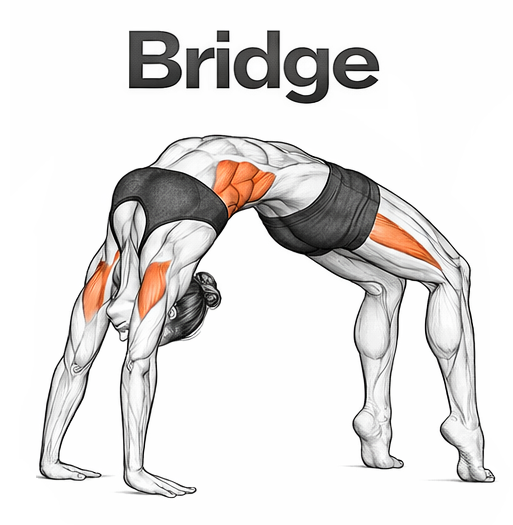
Bridge
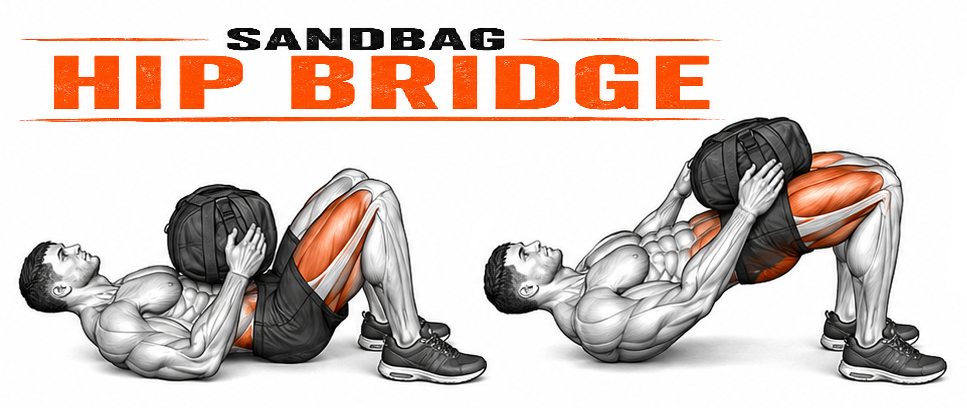
Supine glute bridge driving the hips up to a straight line from shoulders to knees — the bodyweight prerequisite for every loaded hip thrust.
Level: Foundation
Primary: Glutes
Secondary: Hamstrings
Movement: Isolation
Type: Light Activity
Equipment: Jump Box
Sports: Gymnastics MMA Wrestling
Target muscles
The gluteus maximus is the prime mover, driving hip extension against gravity. The hamstrings co-contract for hip extension and knee stability. The spinal erectors and the trunk braces hold the spine neutral against the load. With the feet planted, the quadriceps act isometrically rather than as primary movers. The deep core stabilizes the lumbar spine — a poorly braced bridge dumps into lumbar hyperextension and converts glute work into lower-back work, which is the most common error in the lift.
How to perform
Setup
Lie on your back with knees bent and feet flat on the floor, hip-width apart, heels close enough to your hips that at the top of the lockout the shins will be vertical. Arms at your sides, palms down. Take a breath in.
Execution
Drive through the heels and the whole feet to lift the hips off the floor. Push up until the body forms a straight line from shoulders through knees. Squeeze the glutes hard at the top — a real squeeze, holding for a one-second peak contraction. Lower the hips with control to just above the floor (or fully to the floor between reps for a clearer reset). The chin should tuck slightly at the top; an extended neck pulls the lumbar into hyperextension.
Common mistakes
- Arching the lower back at the top instead of extending the hips. Tuck the chin, squeeze the glutes — the bar is hip-driven, not lumbar-driven.
- Pushing off the toes. Drive through the heels — the front of the foot is for stability, not propulsion.
- Feet too far forward, turning the lift into a hamstring movement. Shins vertical at the top of the rep.
- Pumping reps with no top squeeze. The one-second hold at lockout is most of the value.
- Letting the knees collapse inward. Push them out actively over the second toes.
Progressions and regressions
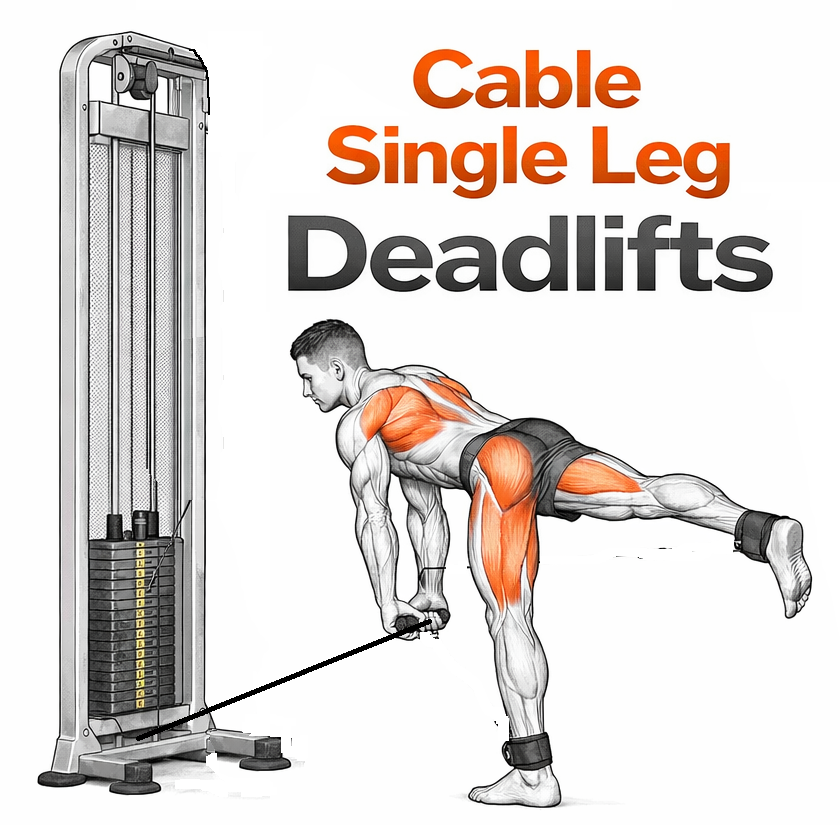
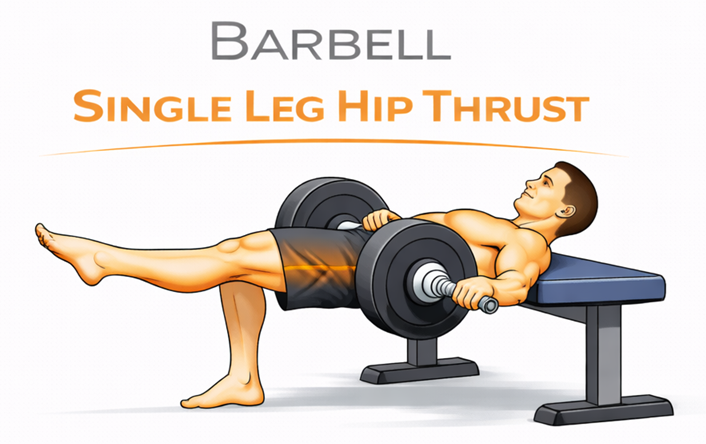
Regress to the bodyweight bridge with a smaller range — lift only a few inches off the floor — if the glutes don't fire cleanly. To progress, add tempo (3-second descent), pause reps (3-second hold at the top), then move to single-leg glute bridges and eventually loaded hip thrusts with dumbbells, kettlebells, or a barbell.
Programming notes
Excellent warm-up movement before squat and deadlift sessions — two sets of 10-15 reps primes the glutes for compound work. As accessory work, 3-4 sets of 12-20 reps, two to three times a week. The bridge tolerates daily light volume well; many lifters use it as a glute-activation drill at the start of every lower-body day. Build it before chasing loaded hip thrusts — if the bodyweight version is sloppy, loading just amplifies the error.