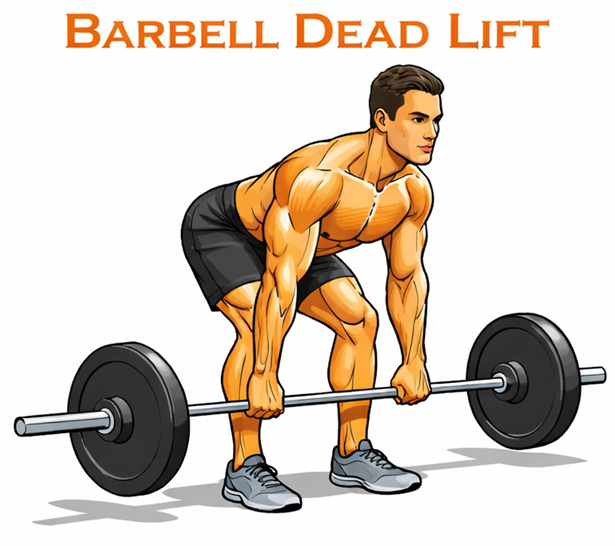
Barbell Deadlift
The conventional barbell deadlift — pull a loaded bar from the floor to lockout, hips and shoulders rising together, the strongest lift you can train.
Level: Intermediate
Primary: Back - Lower
Secondary: Glutes Hamstrings
Movement: Compound
Tags: Hinge Primary Lift
Type: Strength (Weight Lifting)
Equipment: Barbell
Sports: Football Rugby Track and Field Wrestling
Target muscles
This is a posterior chain lift. The gluteus maximus and hamstrings drive the hip extension that gets the bar moving past the knees. The spinal erectors and the thoracic and lumbar musculature work isometrically to keep the spine rigid against the bar's lever. The latissimus dorsi pull the bar tight to the body throughout — they're the difference between a clean lockout and a bar that drifts forward. The quadriceps contribute to knee extension, especially in the first few inches off the floor. The traps, forearms, and grip work continuously to hold the bar.
How to perform
Setup
Bar over the mid-foot. Feet hip-width apart, toes slightly turned out. Step in until the bar is about an inch from your shins. Hinge at the hips — back flat, shoulders just in front of the bar, hips above the knees. Grip the bar just outside the legs (double-overhand or mixed grip; hook grip if you've trained it). Pull the chest up and pack the lats by pulling the bar tightly toward your shins. Big breath into the belly, brace hard.
Execution
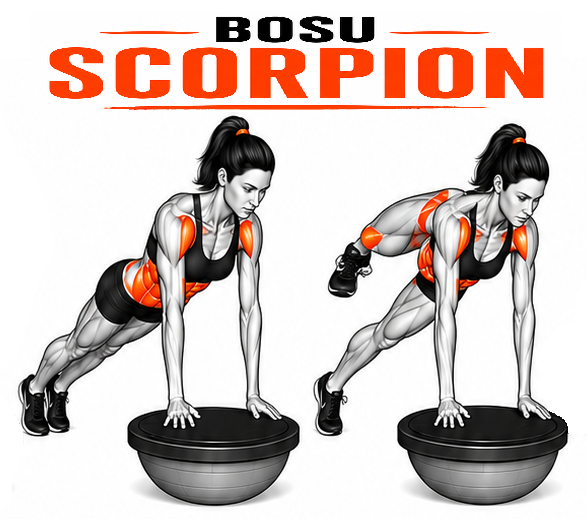
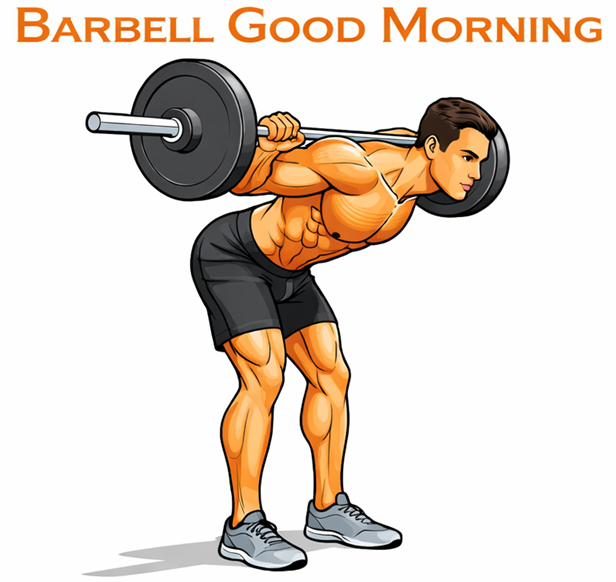
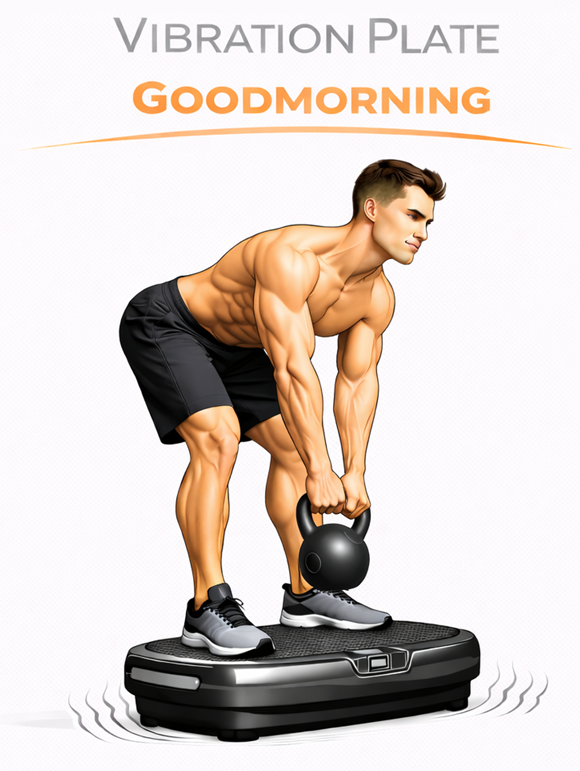
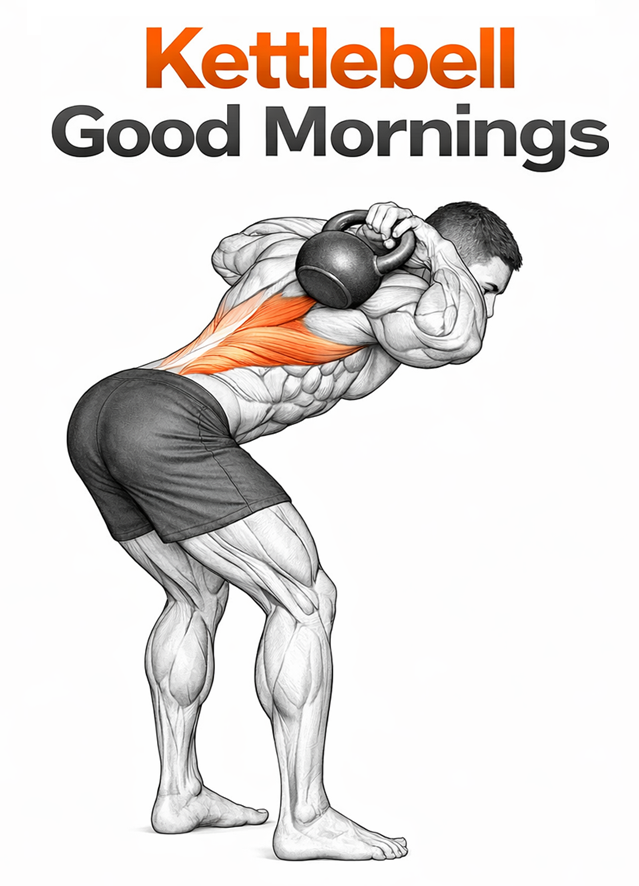
Push the floor away with the legs and pull the bar smoothly upward, keeping it in contact with the legs the whole way. The hips and shoulders rise together — if the hips shoot up first, the lift turns into a stiff-legged good morning and the lower back takes the load. As the bar passes the knees, drive the hips through forward to lock out at the top. Stand tall with shoulders over the hips, glutes tight; don't lean back. Lower the bar by reversing the motion: hinge at the hips first, push the hips back, then bend the knees once the bar passes them. Don't drop a heavy deadlift unless the equipment and floor are made for it.
Common mistakes
- Hips shooting up first. The shoulders and hips should rise at the same rate. If your hips lead, drop the weight and reset the technique.
- Bar drifting forward off the legs. Bar should be in contact with shins and thighs the whole way. Pack the lats actively.
- Rounded lower back at the start. If your back rounds before the bar leaves the floor, the load is too heavy or your hinge is too restricted.
- Hyperextending at lockout. Stand tall — no leaning back.
- Bouncing reps off the floor. Set up clean for every rep. The deadlift is a strength lift, not a conditioning ladder.
Progressions and regressions
Regress to elevated-platform deadlifts (block pulls or rack pulls from below the knee) to shorten the range while you build position strength. Romanian deadlifts groove the hinge with less low-back stress. Trap-bar deadlifts let beginners pull heavy without needing a perfect conventional setup. To progress, layer in deficit deadlifts (standing on a 2-inch plate to extend the range), pause deadlifts (1-2 seconds just below the knee), and tempo work (3-second eccentric). Sumo deadlifts are a separate skill but a useful cross-training option for some lifters.
Programming notes
Deadlifts are systemically taxing — once a week is enough for most intermediate lifters; twice a week works for advanced lifters with the recovery to back it up. For strength: 3-5 sets of 1-5 reps at 80-90% 1RM. For hypertrophy: 3-4 sets of 6-8 reps at 70-80%. Rotate variations week to week (block pulls, RDLs, deficit pulls) once you've established a solid baseline. Don't program max-effort deadlifts the day before or after a heavy squat session — the spinal recovery overlap will catch up with you.