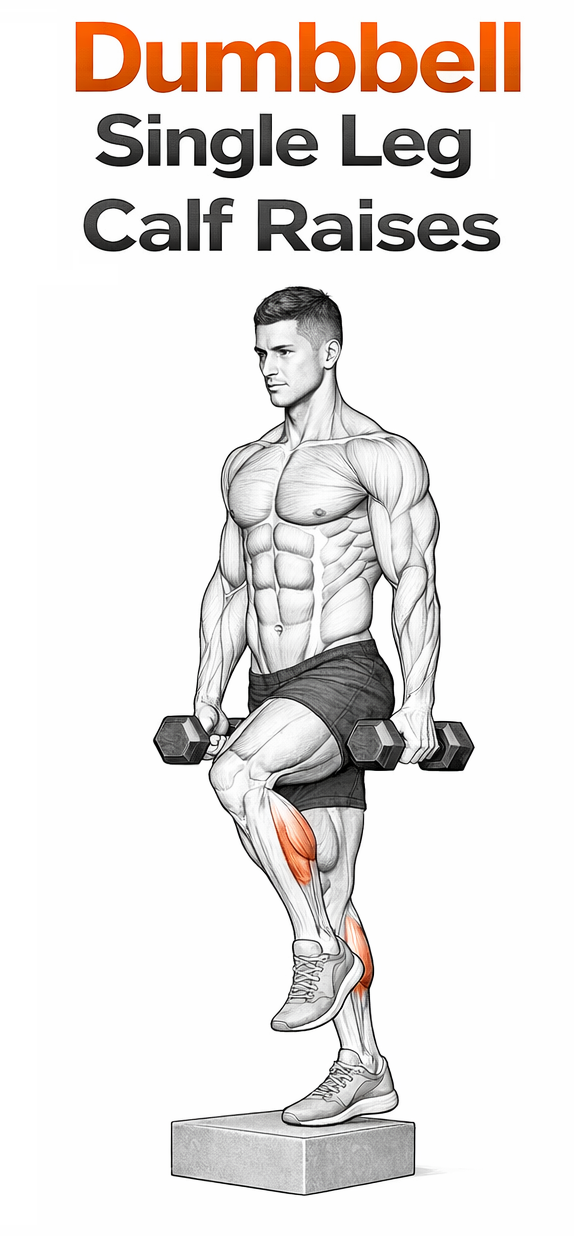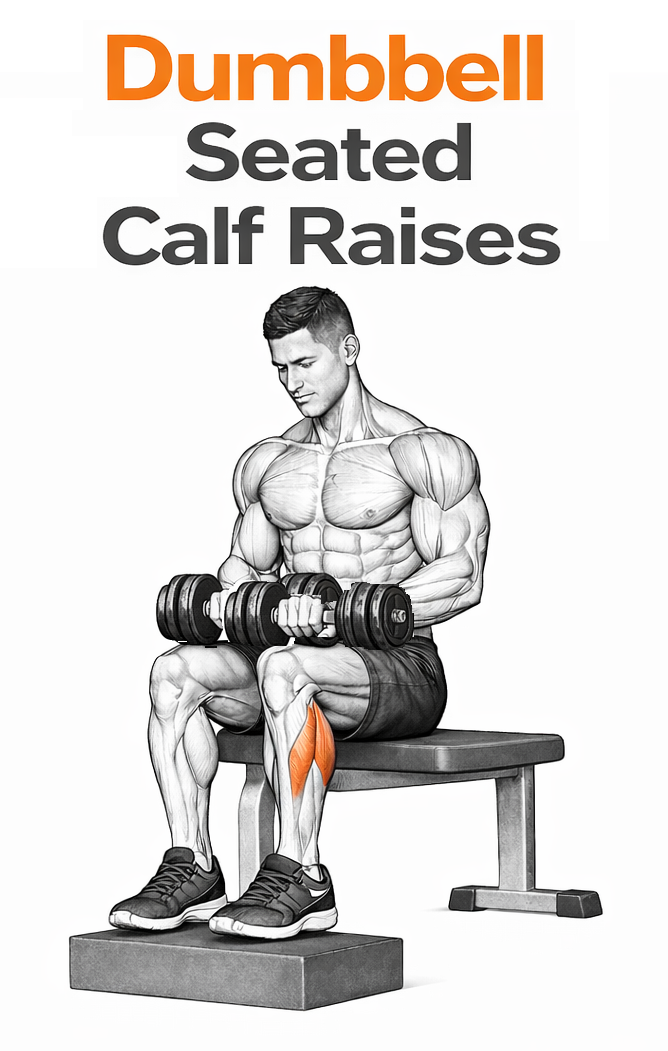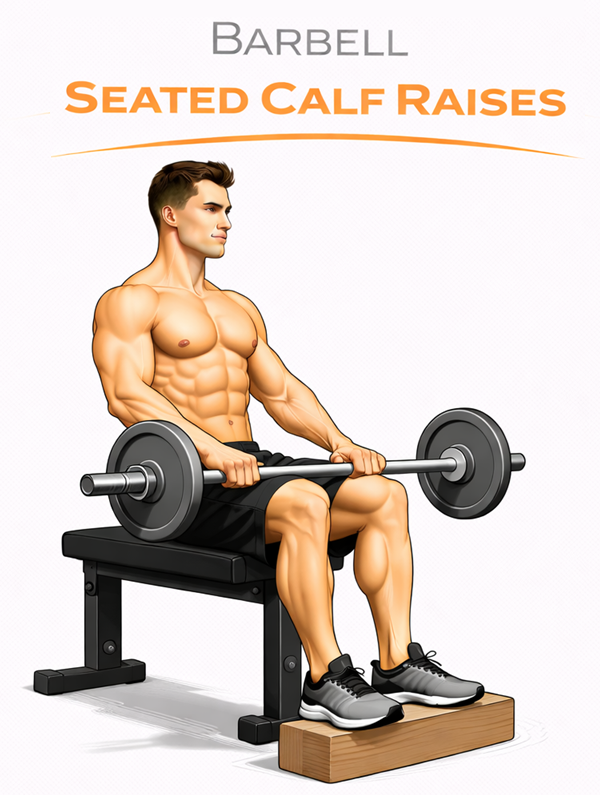
Barbell Seated Calf Raises
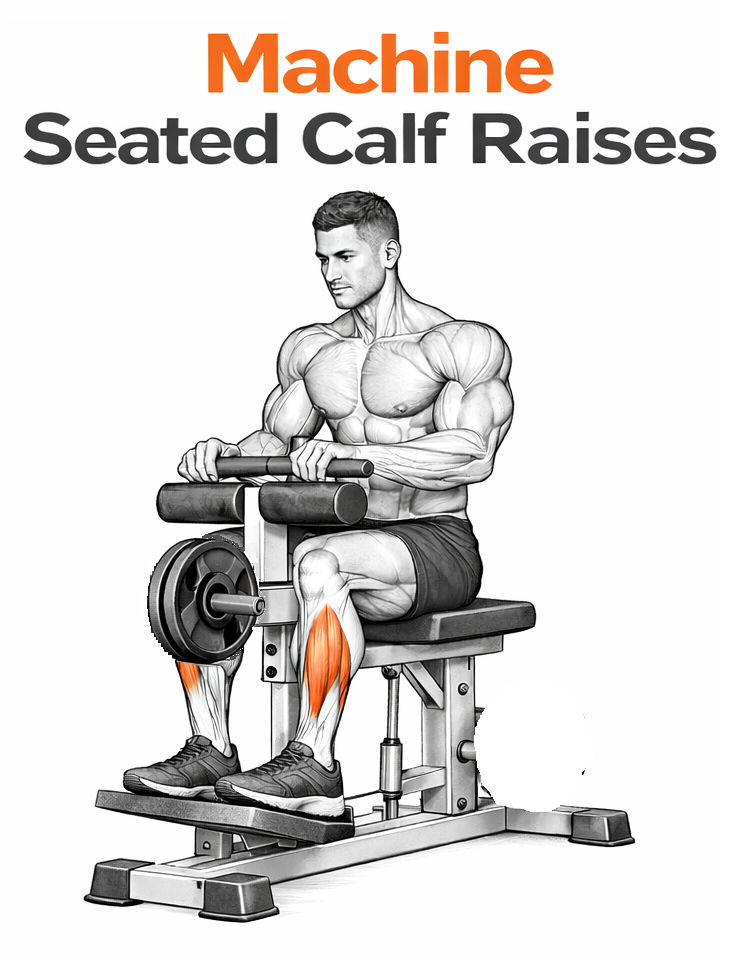
Seated barbell calf raise with the bar across the lower thighs — targets the soleus by training the calves with the knees bent.
Level: Foundation
Primary: Calves
Movement: Isolation
Type: Strength (Weight Lifting)
Equipment: Barbell
Sports: Basketball Running Soccer Swimming Volleyball
Target muscles
The soleus is the primary target here, and that distinction matters. The bent-knee position of a seated calf raise puts the gastrocnemius (the larger, more visible upper calf muscle) at slack length, so it can't generate force well — which forces the soleus underneath to do the work. The soleus is a slow-twitch endurance muscle critical for posture, running economy, and ankle stability. Most lifters under-train it because the more visible gastrocnemius gets all the attention from standing calf work.
How to perform
Setup
Sit on a flat bench with the balls of your feet on a low raised surface — a sturdy block, a 25-pound plate flipped on its side, or the foot pad on a dedicated seated calf raise machine. The knees should be bent at roughly 90 degrees. Place the barbell across the lower thighs (use a barbell pad or rolled towel — bare bar on the femur is brutal) so the load sits right above the kneecaps. Steady the bar with the hands.
Execution
Lower the heels by letting the ankles dorsiflex — you should feel a strong stretch in the calf and Achilles. Then press the balls of the feet down to raise the heels as high as possible, squeezing the calf hard at the top. Pause for a one-second contraction. Lower under control over two to three seconds — the eccentric is where most of the soleus stimulus lives, so don't drop the heels. Full range, every rep; cutting the range is the most common error in calf training.
Common mistakes
- Loading the bar so heavy you can't reach a full top position. Drop the weight; the working range is more important than the load.
- Skipping the bottom stretch. Drop the heels all the way for maximum stimulus.
- Rocking the knees forward to assist. The knees stay over the ankles; only the heels move.
- Resting the bar on bare thighs. Pad it — bone bruises take weeks to fade.
- Pumping reps with no top pause and no bottom stretch. Two seconds up, one-second hold, two seconds down — make every rep count.
Progressions and regressions
Regress to bodyweight seated calf raises (no bar) — most beginners need to learn the full range under just bodyweight before adding load. To progress, work pause reps (3-second pause at peak contraction), 1-and-a-half reps (full raise, lower halfway, full raise, full lower), or move to a dedicated seated calf raise machine which provides more stable loading.
Programming notes
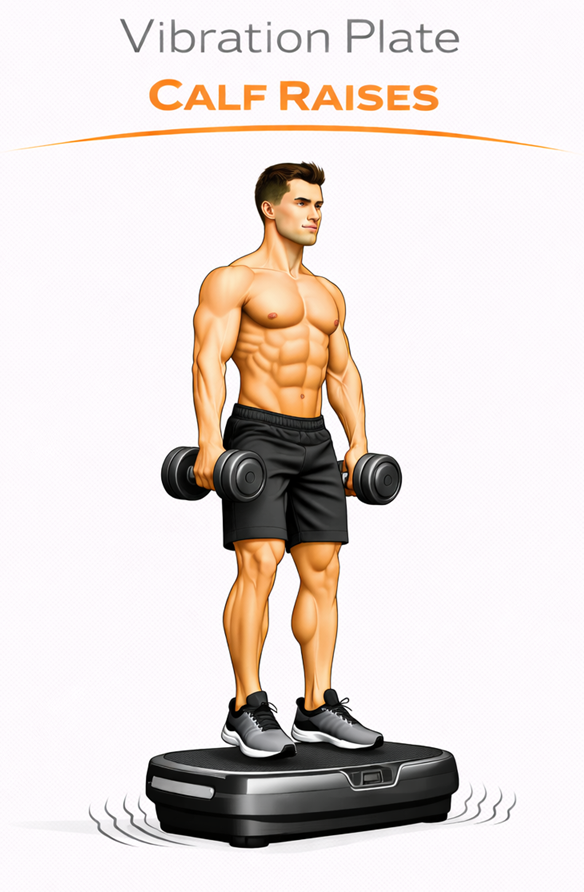
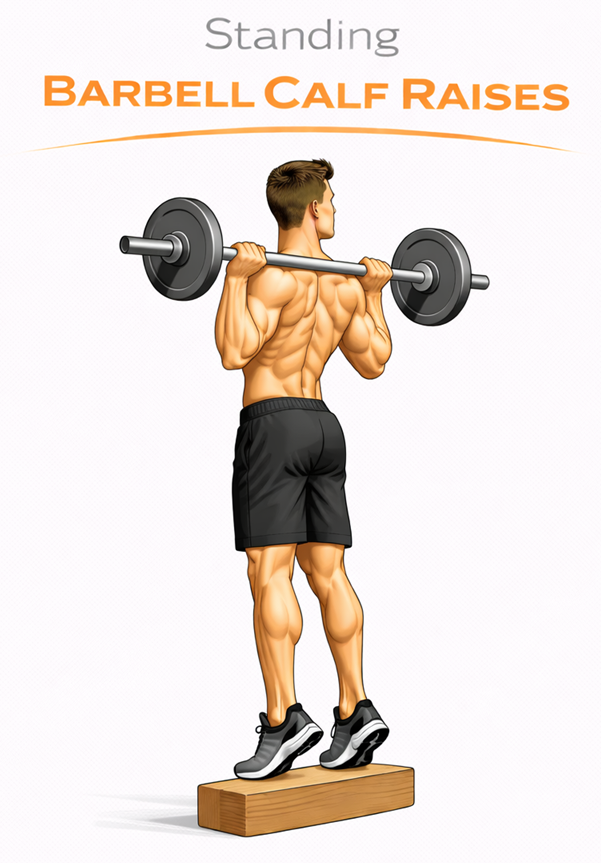
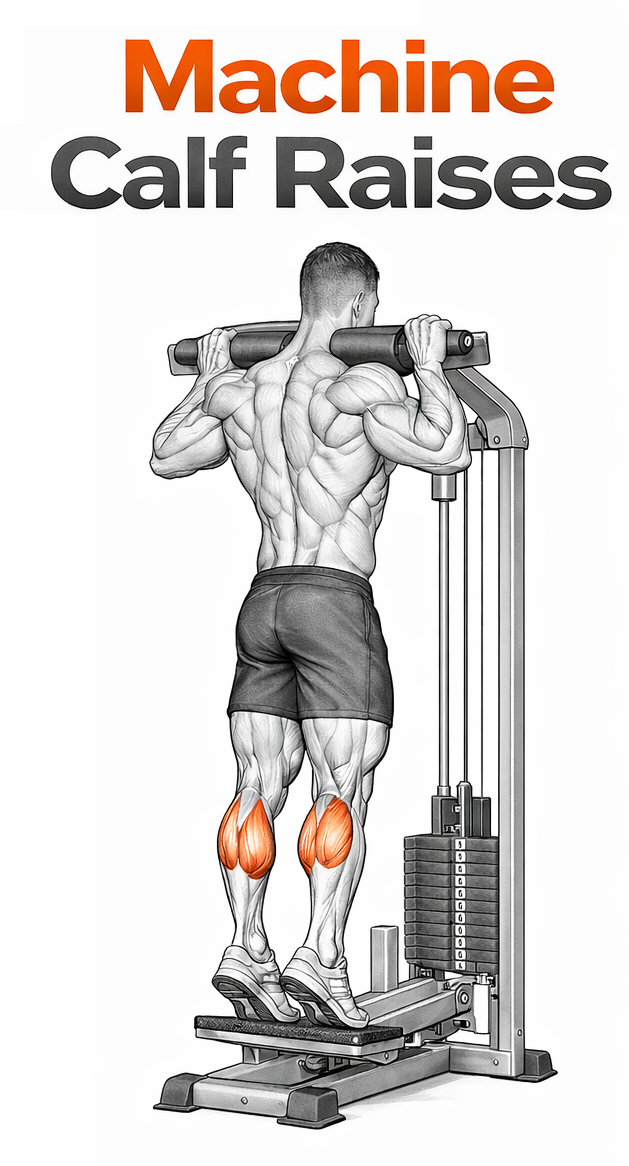
Pair with standing calf raises in the same program to hit both heads of the calf complex: standing for gastrocnemius, seated for soleus. 3-4 sets of 10-20 reps with controlled tempo, two or three times a week. Calves respond well to higher frequency than most muscle groups; daily light work is sustainable for many lifters. Don't program heavy directly before a running day — fried calves leak into stride mechanics fast.