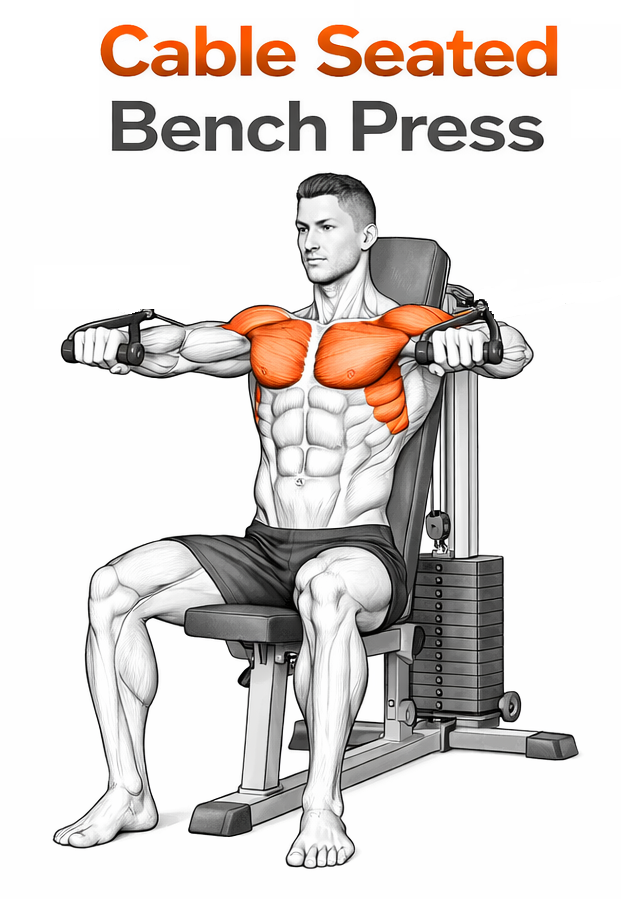
Cable Seated Bench Press
Seated bench press between two cable stacks — constant-tension chest pressing through a horizontal path with cable variability.
Level: Foundation
Primary: Chest
Secondary: Shoulder Triceps
Movement: Compound
Tags: Push
Type: Strength (Weight Lifting)
Equipment: Cable
Sports: Football Rugby
Target muscles
The pectoralis major drives shoulder horizontal adduction. The anterior deltoid contributes to shoulder flexion. The triceps brachii lock out the elbows. The serratus anterior stabilizes the scapulae. What the cable does differently from a barbell or dumbbell bench: the cables maintain constant tension throughout the press, and the line of pull can be subtly adjusted by the cable angle. Some lifters find the cable bench is gentler on the shoulders than a barbell because there's no fixed bar path forcing a single trajectory.
How to perform
Setup
Position a flat bench between two cable stacks with the cables set at chest height. Sit upright on the bench with the chest aligned between the cables. Grip the handles, pull them back to chest height with the elbows tucked at about 45 degrees from the torso. Plant the feet flat on the floor, trunk braced.
Execution
Press the handles forward and slightly together — the arms extend fully at the end of the press, the handles ideally touching or nearly touching at the top. Squeeze the chest at the contracted position. Lower the handles back to chest height under control over two to three seconds. Keep the elbows tucked through the descent; the resistance should feel in the chest and triceps, not in the front of the shoulders.
Common mistakes
- Flaring the elbows out wide. Tuck them at about 45 degrees from the torso, same as a strict bench press.
- Pressing primarily with the front deltoids. If the front delts are gassing before the chest, the elbows are likely flaring or the angle is off.
- Bouncing the handles off the chest. Lower under control; the eccentric matters.
- Not bringing the handles together at the top. The convergence at the top is what makes the cable bench different — let the hands meet.
- Slouching backward off the bench. Sit tall, chest up, shoulders back.
Progressions and regressions
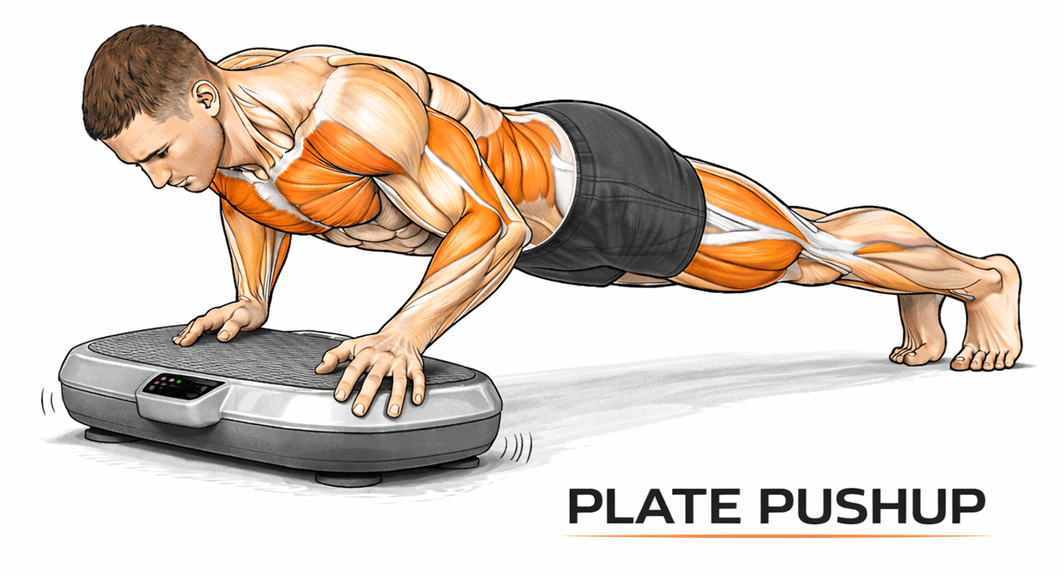
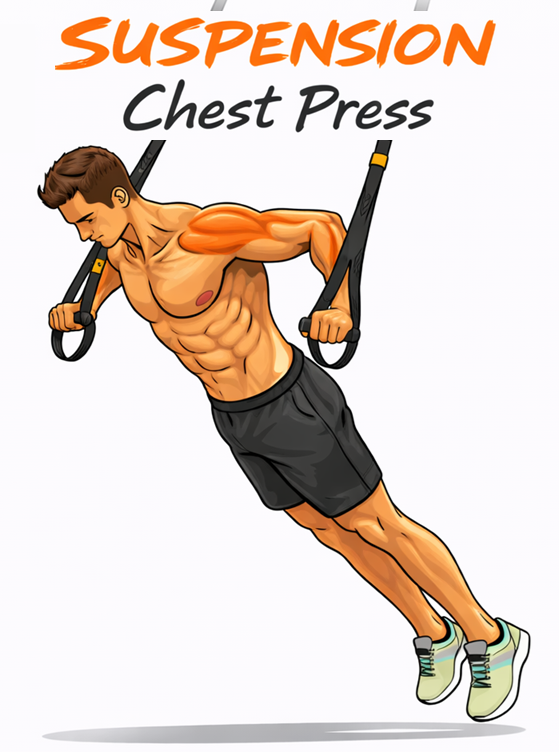
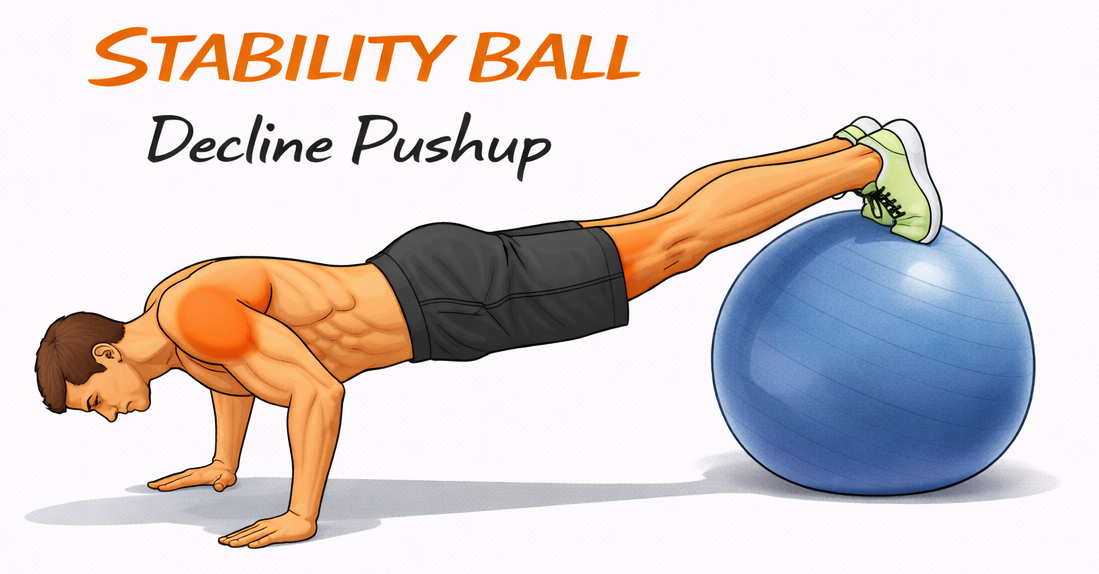
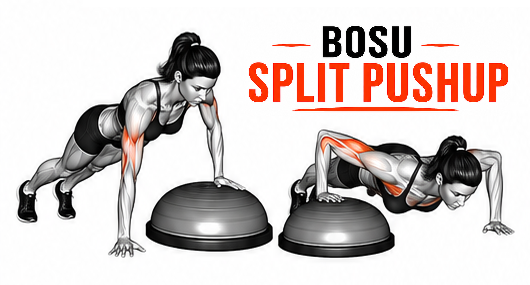
Regress to dumbbell bench press for greater stability and a more familiar pattern. Push-ups with the hands on resistance bands provide a similar variable-resistance feel. To progress, work pause cable bench (2-second pause at the chest), single-arm cable bench (alternating arms, big anti-rotation demand), or cable flyes for direct chest isolation.
Programming notes
Useful primary or secondary pressing exercise. 3-4 sets of 8-12 reps. Once or twice a week. Particularly useful for lifters who don't tolerate barbell bench well — the cable's variable line of pull is friendlier to most cranky shoulders. As accessory work after barbell bench, the cable version provides a different stimulus and good time-under-tension.